5207 E Fifth St Katy, TX 77493 United States 8328085574 customerservice@drstellamd.com
Home > Blog > Plague Concerns? What You Need to Know

Plague Concerns? What You Need to Know

By "Dr. Stella " ยท October 20, 2026
Plague Concerns? What You Need to Know
Email from DrStellaMD


Plague Concerns in Russia: What You Need to Know

Watch my short video detailing all you need to know

Hello Roy,


The mainsteam media has been reporting an incident out of Russia that has raised concerns about a possible case of pneumonic plague, a serious bacterial infection that affects the lungs.


Some of you have reached out asking about this situation so here is what we know:


A laboratory worker at a Russian infectious disease research facility recently died from severe pneumonia, prompting an investigation by international health authorities.


So, should you be concerned? No. But it's best to always stay alert and informed.


1. What is pneumonic plague?

Pneumonic plague is a severe infection caused by the bacterium Yersinia pestis. Unlike other forms of plague, it can spread between people through infectious respiratory droplets during close contact.


2. What symptoms should you watch for?

Symptoms can develop rapidly and may include:


3. What is happening in Russia?

Although plague was initially suspected, health officials have not confirmed a plague outbreak. The World Health Organization says the are continuing to monitor the situation.

There is currently no evidence of ongoing transmission linked to this incident so no need to panick, just be aware.


4. Can plague be treated?


Yes. Early antibiotic treatment can be lifesaving.

Doxycycline is one of the antibiotics used to treat plague. However, the appropriate medication and treatment setting depend on the patient's condition and medical evaluation.


My team & I put together 7 prescription drugs every American must have in their medicine cabinet or home pharmacy in the event of an emergency. Doxycycline is among the 7 antibiotics we recommend keeping in your emergency medicine cabinet.


Kit includes:

  1. Amoxicillin: is an antibiotic commonly used to treat a variety of bacterial infections such as respiratory tract infections, urinary tract infections, skin infections, and certain types of gastrointestinal infections.
  2. Bactrim: is used to treat various bacterial infections, including urinary tract infections, respiratory tract infections, and certain types of gastrointestinal infections.
  3. Flagyl: is an antibiotic commonly used to treat infections in the gastrointestinal tract, genital tract, skin, and other areas of the body.
  4. Zofran (ondansetron): Zofran is an antiemetic medication primarily used to prevent nausea and vomiting.
  5. Z-pack (azithromycin): is an antibiotic used to treat a range of bacterial infections. It is commonly prescribed for respiratory tract infections, including bronchitis and pneumonia, as well as certain sexually transmitted infections.
  6. Doxycycline: is an antibiotic that is used to treat various bacterial infections, including respiratory tract infections, skin infections, urinary tract infections, and certain sexually transmitted infections. It is also used as a prophylactic treatment for malaria in certain regions.
  7. Fluconazole: is an antifungal medication used to treat and prevent fungal infections. It is commonly used to treat yeast infections of the mouth (oral thrush), throat, esophagus, and vagina, as well as systemic fungal infections in certain cases.


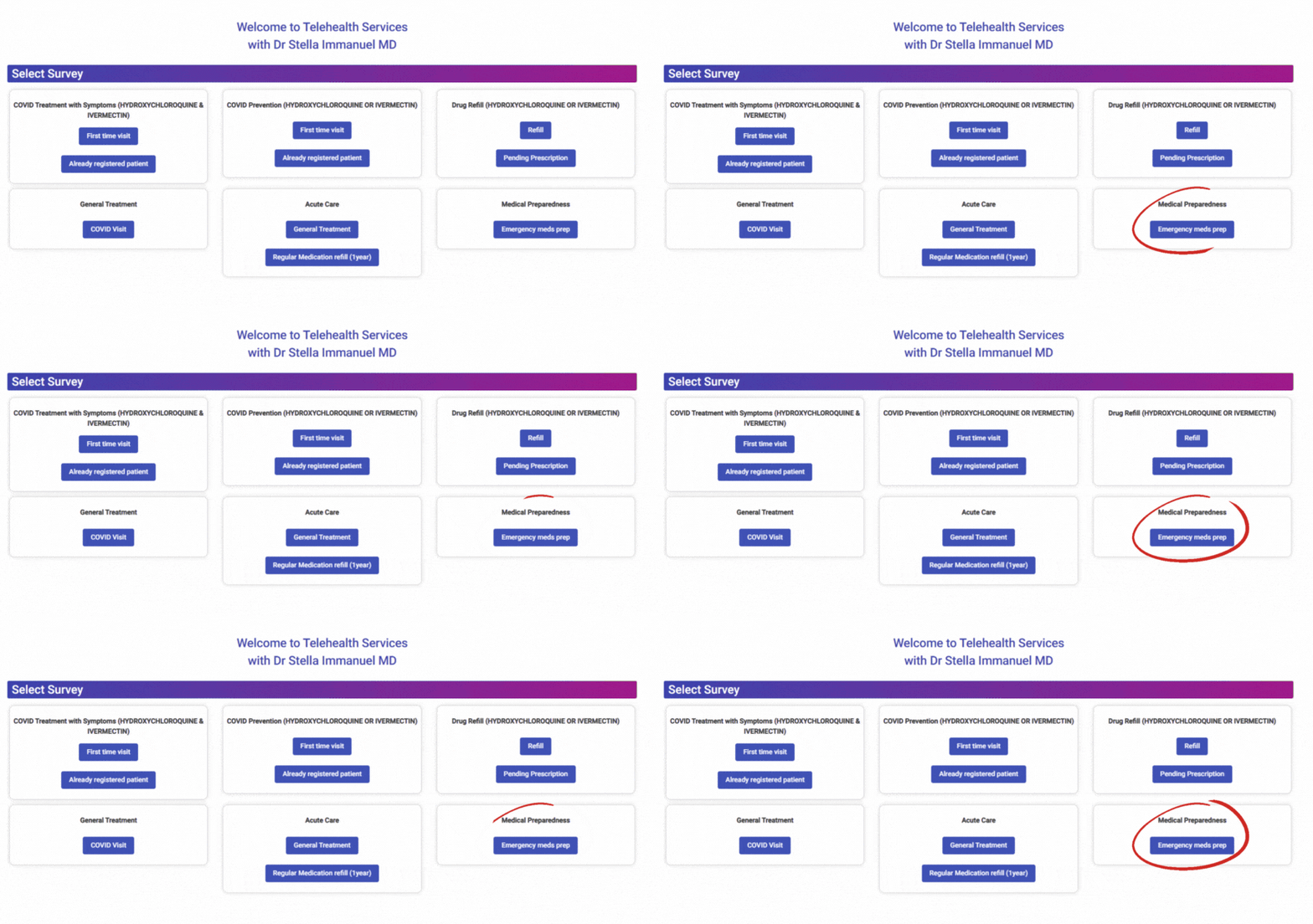
After reading the medical terms and conditions, click on the "Emergency Med Prep" button found here.


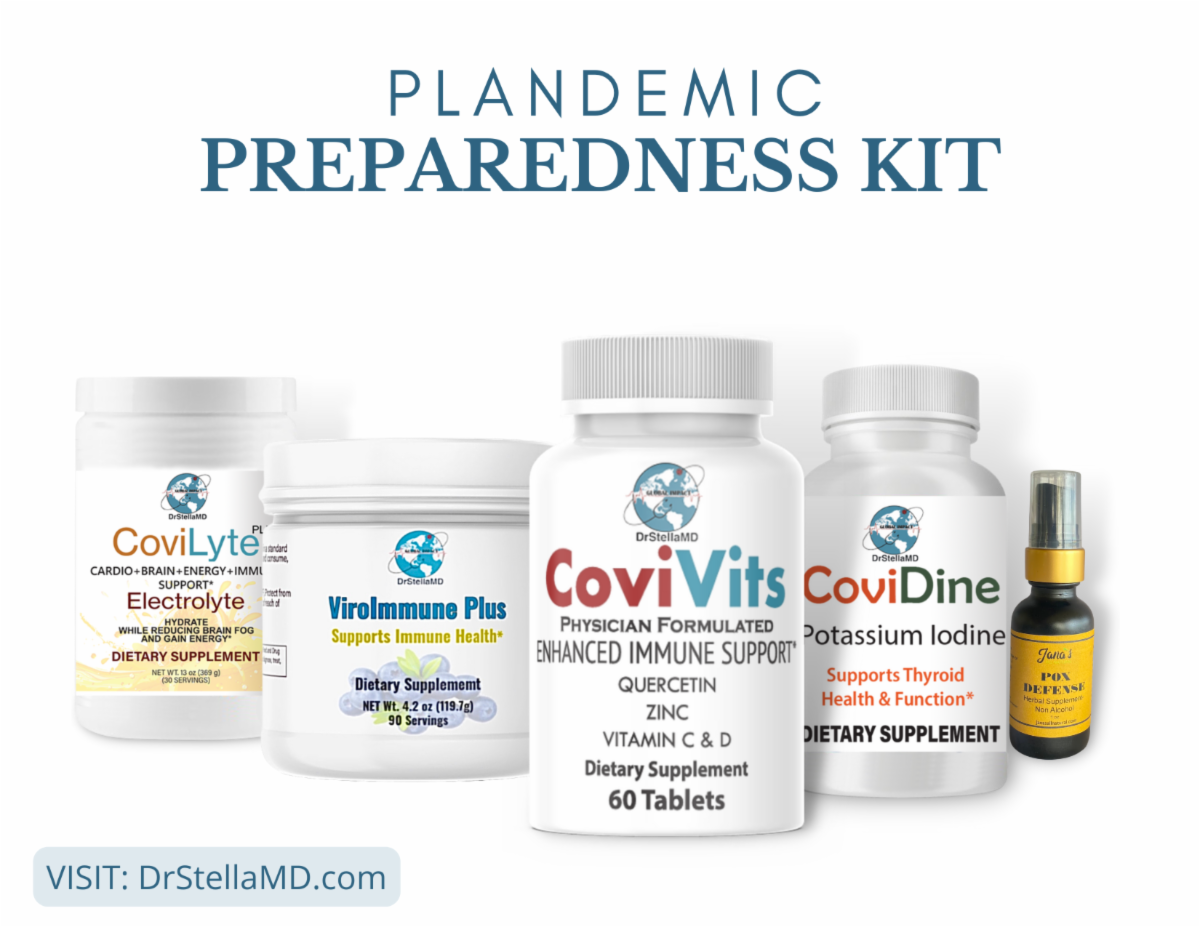
If you haven't already, get our Supplement Plandemic Preparedness Kit and protect you and your family in the event of an outbreak of Ebola, Monkey Pox, Covid-19 and other similar respiratory plandemics.


Stay Connected!


DrStellaMD

6728 HWY 6 S

Houston, TX 77083

(832) 808-5574

www.DrStellaMD.com