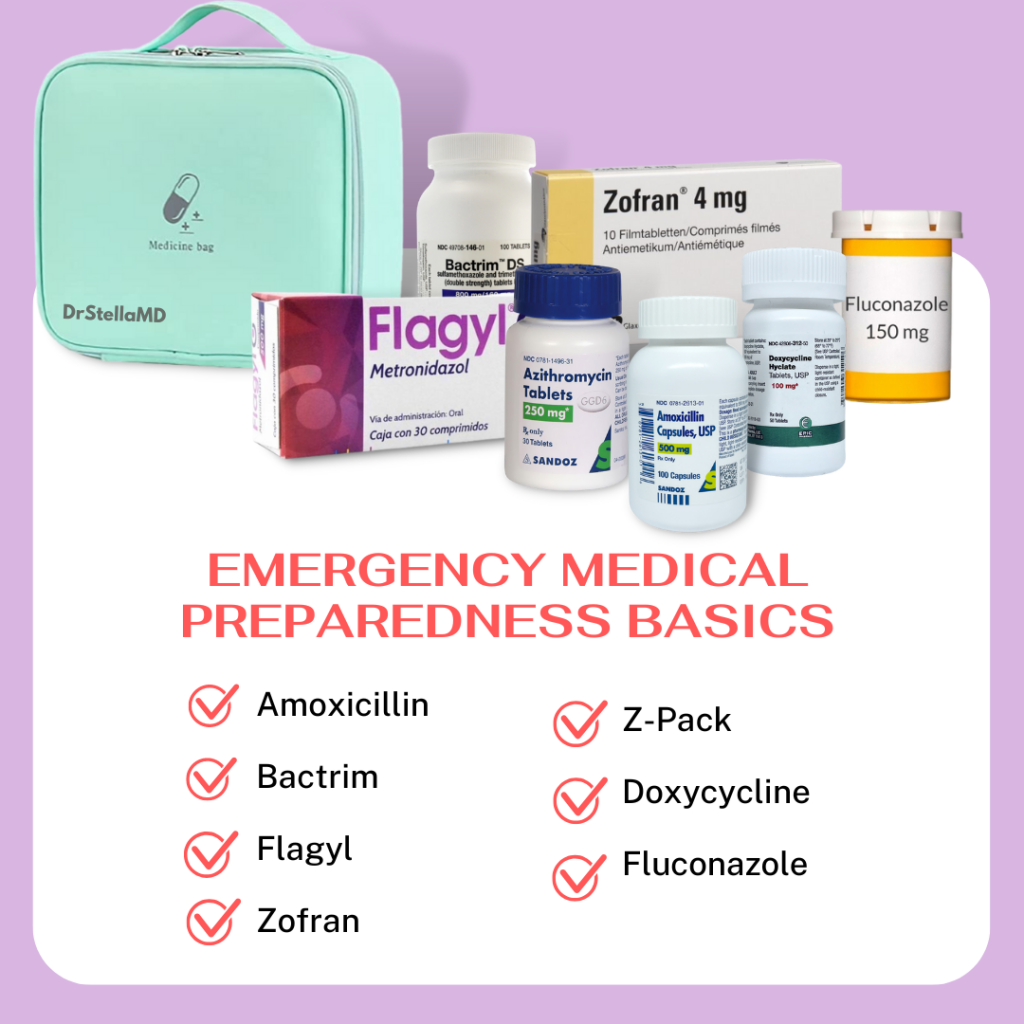
Water Supply: Ensure you have an adequate supply of clean water. Store at least one gallon of water per person per day for at least three days, for drinking and sanitation purposes. If possible, consider storing water purification tablets or a portable water filter as a backup. Non-Perishable Food: Stock up on non-perishable food items that require little to no cooking or preparation. Good options include canned goods (like beans, tuna, vegetables), energy bars, dried fruits, and nuts. Aim for a three-day supply of food per person First Aid Kit: A well-equipped first aid kit is essential. It should include bandages, antiseptic wipes, pain relievers, adhesive tape, scissors, tweezers, gloves, and any prescription medications you or your family members might need. Flashlight and Batteries: Have a reliable flashlight or headlamp with extra batteries. In case of a power outage, having a portable light source is essential for safety and visibility. Emergency Communication Plan: Develop a communication plan with your family or household members. Ensure everyone knows how to contact each other in case of separation during a disaster. Have a designated meeting place and an out-of-town contact person to coordinate information. Prescription & Over the Counter Medications: Ensure you have an ample supply of any prescription medications that you or your family members require. Stock up on at least a 7 to 14-day supply, or longer if possible, depending on the availability and your healthcare provider’s recommendations. |